
"inspection standard"
500 article(s) found

How to maintain the Italian coffee machine how to understand the structure of the Italian coffee machine and how to repair the coffee machine
The coffee machine is a technological miracle. Since it was first launched in the late 1800s, these professionally produced electrical appliances have made great progress. The steam pressure system in the 19th century has evolved into pump drive and electrical technology. Baristas can now operate using apps on their smartphones without having to touch the machine itself. Why should we buy a refurbished espresso machine? Need

Ethiopian coffee flavor manor area with nut flavor
In Ethiopia, the grading and quality control system of coffee is divided into three levels: producer, regional and national. All coffee is inspected by local inspection agencies before leaving the country of origin, and then re-tested at the coffee inspection and grading centers in Addis and Diredawa to determine its quality grade. Coffee is graded before auction and sale, for all involved in production, acquisition,

Introduction to the characteristics of the flavor description method of Ethiopian Sidamomo Lion King Coffee
Coffee is Ethiopia's most important export cash crop and the main source of Ethiopia's foreign exchange earnings. Ethiopia's coffee exports account for about 3% of the world market, making it the eighth largest coffee exporter in the world. Coffee exports increased steadily from 58000 tons in 1990 to 110000 tons in 1995-96, and remained at this level in the following years.

The relationship between Kenyan coffee and Arabica coffee beans
In Ethiopia, the grading and quality control system of coffee is divided into three levels: producer, regional and national. All coffee is inspected by local inspection agencies before leaving the country of origin, and then re-tested at the coffee inspection and grading centers in Addis and Diredawa to determine its quality grade. Coffee is graded before auction and sale, for all involved in production, acquisition,

Introduction to the Flavor characteristics of Ethiopian Yega Xuefei Coffee
In Ethiopia, the grading and quality control system of coffee is divided into three levels: producer, regional and national. All coffee is inspected by local inspection agencies before leaving the country of origin, and then re-tested at the coffee inspection and grading centers in Addis and Diredawa to determine its quality grade. Coffee is graded before auction and sale, for all involved in production, acquisition,

A brief introduction to the characteristics of the country of origin of Ethiopian Bancimaji coffee beans
A brief introduction to the Manor characteristics of the Origin of Ethiopian Bancimaghi Coffee Coffee Harald coffee produced in the southeastern highlands of Ethiopia is a typical Muha coffee with strong aroma; Habesa coffee is mild, full-bodied and sour. Astor coffee is more chocolate and sour. The estate is owned by Gashaw Kinfe Desta and is very close to Geish.

An introduction to the characteristics of Ethiopian Coffee Flavor Manor
In Ethiopia, the grading and quality control system of coffee is divided into three levels: producer, regional and national. All coffee is inspected by local inspection agencies before leaving the country of origin, and then re-tested at the coffee inspection and grading centers in Addis and Diredawa to determine its quality grade. Coffee is graded before auction and sale, for all involved in production, acquisition,

Introduction of Ethiopian Coffee Bean varieties in Ethiopian Coffee Flavor Manor
In Ethiopia, the grading and quality control system of coffee is divided into three levels: producer, regional and national. All coffee is inspected by local inspection agencies before leaving the country of origin, and then re-tested at the coffee inspection and grading centers in Addis and Diredawa to determine its quality grade. Coffee is graded before auction and sale, for all involved in production, acquisition,
What about the procedures for the entry list of imported coffee beans? can raw coffee beans go through customs
Professional coffee knowledge exchange more information about coffee beans Please follow the coffee workshop (Wechat official account cafe_style) Coffee beans refer to the plant fruits used to make coffee. In a broad sense, there are two kinds of coffee beans in the world, Arabica beans and Robosta beans. The fruit of coffee consists of two oval seeds opposite each other. The connecting side of each other is a flat joint, which is called flat bean.

The long aftertaste of Ethiopian coffee introduces the characteristics of Ethiopian coffee.
In Ethiopia, the grading and quality control system of coffee is divided into three levels: producer, regional and national. All coffee is inspected by local inspection agencies before leaving the country of origin, and then re-tested at the coffee inspection and grading centers in Addis and Diredawa to determine its quality grade. Coffee is graded before auction and sale, for all involved in production, acquisition,

Introduction to the taste of the quality producing area of Sidamoto Lion King Coffee Bean Flavor description
Sidamomo Lion King Coffee Bean Flavor description method Coffee is the most important export cash crop and the main source of foreign exchange income in Ethiopia. Ethiopia's coffee exports account for about 3% of the world market, making it the eighth largest coffee exporter in the world. Coffee exports increased steadily from 58000 tons in 1990 to 110 tons in 1995-1996.

Introduction to the characteristics of Ethiopian Coffee Flavor Manor with acidity and texture
5% of the coffee belongs to plantation coffee. This is a modern way of growing. Coffee is also grown in a forest, but new varieties are used and planted in rows with other shade trees. Due to different processing methods, coffee can be divided into washed coffee (Washed coffee) and sun-cured coffee (Sun-dried coffee). Washed coffee accounts for 35% of exports. Of good quality

Flavor description of Ethiopian Coffee Manor introduction to the treatment methods of Grinding degree
In Ethiopia, the grading and quality control system of coffee is divided into three levels: producer, regional and national. All coffee is inspected by local inspection agencies before leaving the country of origin, and then re-tested at the coffee inspection and grading centers in Addis and Diredawa to determine its quality grade. Coffee is graded before auction and sale, for all involved in production, acquisition,

No unqualified samples were found in 3 batches of cocoa and roasted coffee from Guangxi Food and Drug Administration.
China quality News Network on March 23, 2017, the official website of the Food and Drug Administration of Guangxi Zhuang Autonomous region issued a notice on food safety supervision and sampling information (issue 11, 2017, No. 81). According to the announcement, the bureau recently sampled 3 batches of cocoa and roasted coffee and found no unqualified samples. All sampling samples follow the principle of random sampling. According to national food safety standards, individual

Deep excavation of the quality characteristics of Pu'er Coffee
In recent years, Yunnan Standardization Institute and Pu'er quality Supervision Bureau have comprehensively excavated the quality characteristics of Pu'er coffee. The relevant personnel visited the production, processing, testing, research and marketing departments and enterprises such as Pu'er entry-exit Inspection and Quarantine Bureau, Pu'er Tea Coffee Bureau, National Coffee key Laboratory, Yunnan Simao Beigui Coffee Co., Ltd., visit local senior coffee experts and hold seminars.
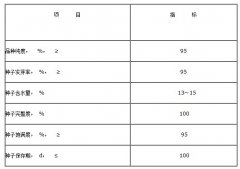
Technical specification for cultivation of small seed coffee in Yunnan Province
The technical regulations for the cultivation of small seed coffee in Yunnan Province, which describes the technical methods of small seed coffee garden selection, planning, reclamation, seeds, seedlings, planting, soil management and coffee tree management.
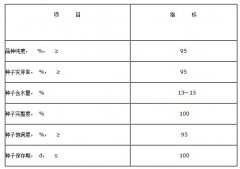
Technical specification for cultivation of small seed coffee in Yunnan Province
The technical regulations for the cultivation of small seed coffee in Yunnan Province, which describes the technical methods of small seed coffee garden selection, planning, reclamation, seeds, seedlings, planting, soil management and coffee tree management.

Coffee Information China's first key laboratory for coffee monitoring was born.
On September 5, the National Coffee testing key Laboratory (Pu'er), declared and built by Yunnan Pu'er Inspection and Quarantine Bureau, passed the on-site examination and acceptance of the AQSIQ examination and acceptance team. This marks the birth of the only national professional laboratory for coffee products in Yunnan Province. This assessment will be carried out on the spot by the AQSIQ, which has transferred experts from all over the country to set up an examination team. In the course of examination

A brief introduction to the Variety characteristics of the Flavor description method of Ethiopian Sidamomo Lion King Coffee
The export rating is marked by simple numbers, with the best washed coffee at level 5 and the best sun-cured coffee at level 4. After grading, mark the place of origin and then export. Exports are usually paid by letter of credit, which can not only reduce the risk of foreign exchange collection for exporters, but also give quality assurance to importers. Coffee is Ethiopia's most important export cash crop and the main source of Ethiopia's foreign exchange earnings.
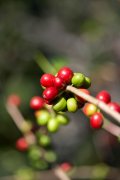
Ethiopian coffee producing area introduces fine coffee Yega Xuefei and Sidamo water washing and sun treatment.
Ethiopia is one of the major producers of Arabica coffee in Africa, producing the best Arabica coffee in the world. It is said that coffee was first discovered by shepherds in Essekafa, and the name of coffee evolved from Kafa, so Ethiopia is still coffee. Ethiopia is an African Arab coffee.